Historical Origins
Founded during the Lodhi dynasty, Ludhiana began as a settlement at the village of Mir Hota. Its original name, Lodhi-ana, reflected its association with the Lodhis.


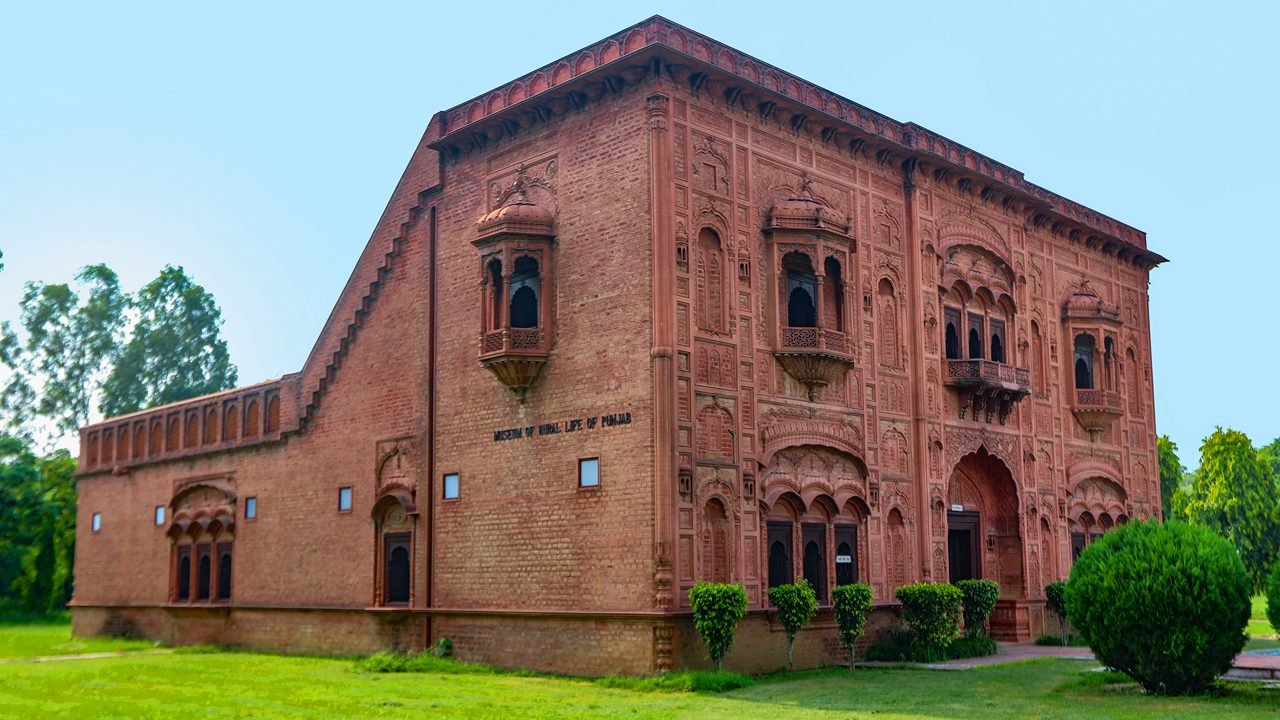
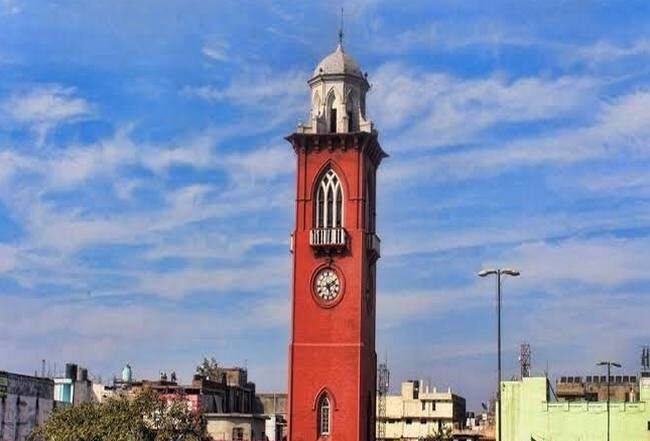
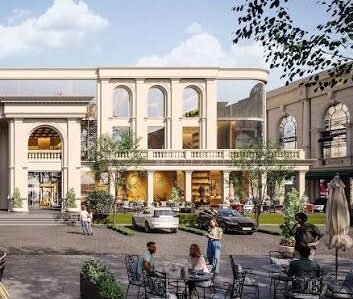
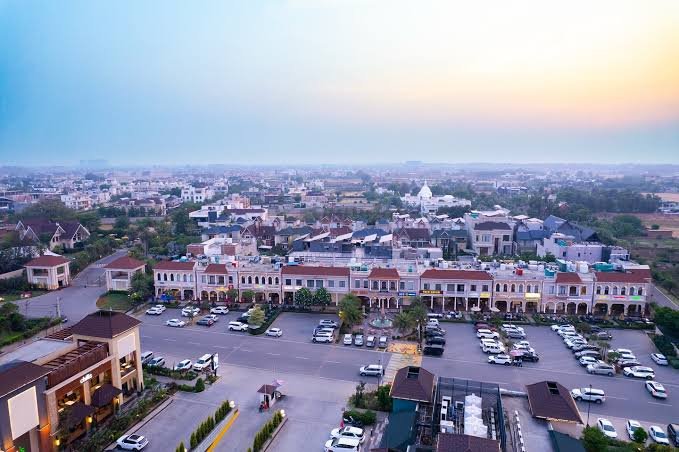
From its origins during the Lodhi dynasty to its emergence as one of Punjab's most prominent urban centres, Ludhiana tells a story of history, cultural diversity and remarkable growth. Discover the story behind the city and the communities that have shaped its identity over the centuries.
Ludhiana traces its origins to the time of the Lodhi dynasty, which ruled Delhi from 1451 to 1526 AD. According to local tradition, two Lodhi chiefs, Yusaf Khan and Nihand Khan, were deputed by Sultan Sikandar Lodhi, who ruled from 1489 to 1517 AD, to restore order in the region.
The two chiefs camped at the site of the present-day city, which was then a village called Mir Hota. Their paths eventually diverged as they worked to establish control and settlements in the surrounding region.
Yusaf Khan crossed the Sutlej into the Jalandhar Doab to deal with the Khokhars, who were plundering the area, and established a settlement at Sultanpur. Nihand Khan remained behind and founded the present city at the site of Mir Hota.
The new settlement was originally known as Lodhi-ana, meaning the town of the Lodhis. Over time, the name evolved into the modern name Ludhiana, which the city is known by today.
The founding story connects Ludhiana to a significant period in North Indian history, when the Lodhi dynasty ruled from Delhi and settlements across the region developed.
What began as a settlement at Mir Hota gradually grew into an important urban centre. The story of its origins remains an important part of Ludhiana's historical identity.
Its name preserves a connection to the dynasty associated with its founding, linking the modern city with its fifteenth-century beginnings.
Ludhiana's development reflects the transformation of a historic settlement into a major administrative and urban centre in Punjab.
Founded during the Lodhi dynasty, Ludhiana began as a settlement at the village of Mir Hota. Its original name, Lodhi-ana, reflected its association with the Lodhis.
Ludhiana developed into a district headquarters and a parliamentary constituency bearing the same name. It is also one of the largest municipal corporations in Punjab.
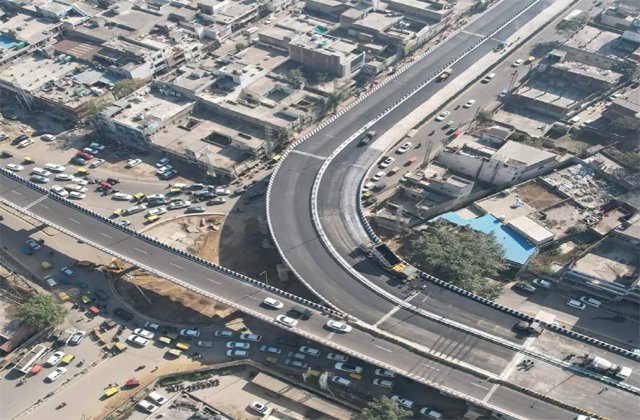
The city has expanded with new residential areas, markets, roads, railway overbridges and flyovers, reflecting the changing needs of a growing urban population.
Ludhiana's location near the Sutlej and its continuing urban growth have helped shape its landscape, communities and everyday life.
Provisional 2011 Census population figure quoted in the supplied source text. This figure should be verified against the relevant city or district census boundary before being presented as the current city population.
The population increases during the crop-harvesting season as workers migrate from states including Uttar Pradesh, Bihar, Odisha and Delhi.
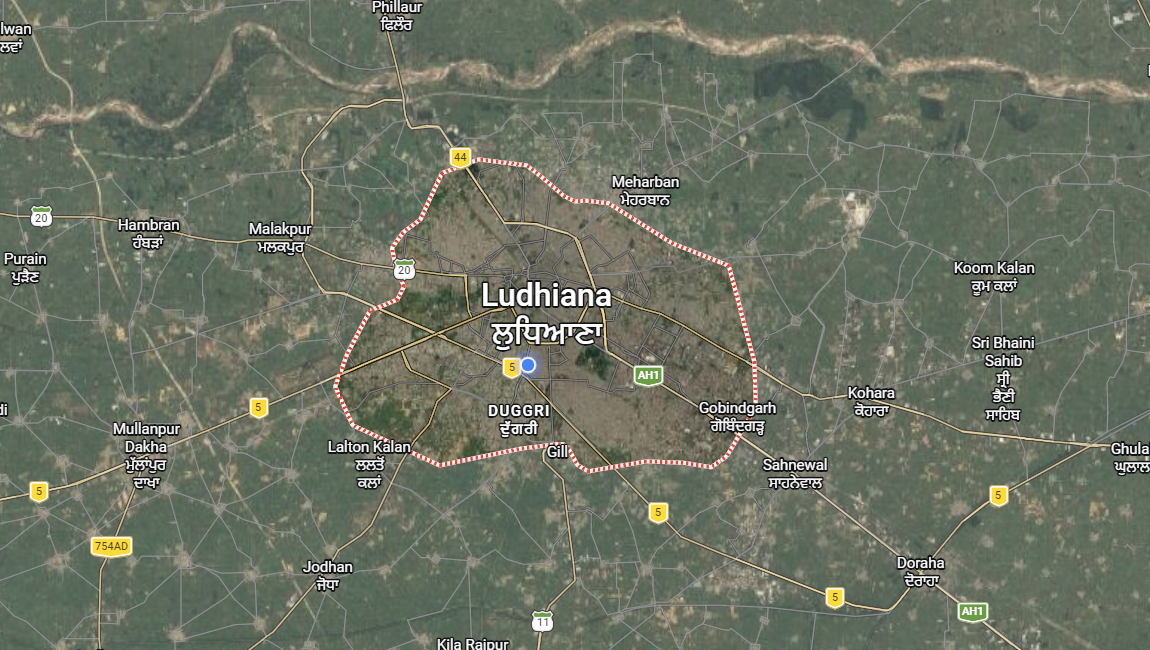
Ludhiana is spread over approximately 310 square kilometres, according to the supplied account. The city stands on an old bank of the Sutlej, about 13 kilometres south of the river's present course.
Over the years, Ludhiana has become a vibrant mix of cultures, communities and activities. Migration, economic activity and urban expansion have all contributed to its changing character.
The source account describes Ludhiana as having a very high number of vehicles per capita, with more than 10,000 new vehicles reportedly added every three months. Traffic congestion remains a challenge.
Ludhiana's neighbourhoods reveal different aspects of its growth, from established old-city localities to planned residential areas and expanding communities.
The older parts of Ludhiana are among its densely populated areas. These localities form an important part of the city's established urban fabric and daily life.
Newer neighbourhoods reflect the city's outward expansion, with planned residential layouts and evolving community spaces.
Some areas have experienced rapid development as Ludhiana has expanded. Their growth reflects the city's changing residential patterns and increasing urban footprint.
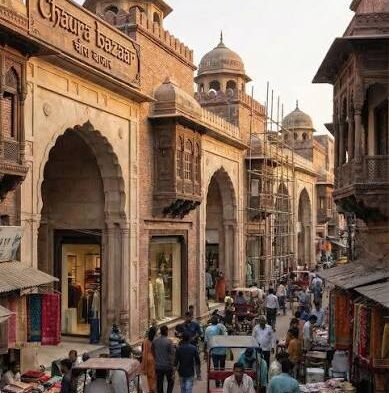
Markets remain important meeting places for shopping, social interaction and daily activity. Sarabha Nagar's main market and Ghumar Mandi are among the frequently visited areas mentioned in the source account.
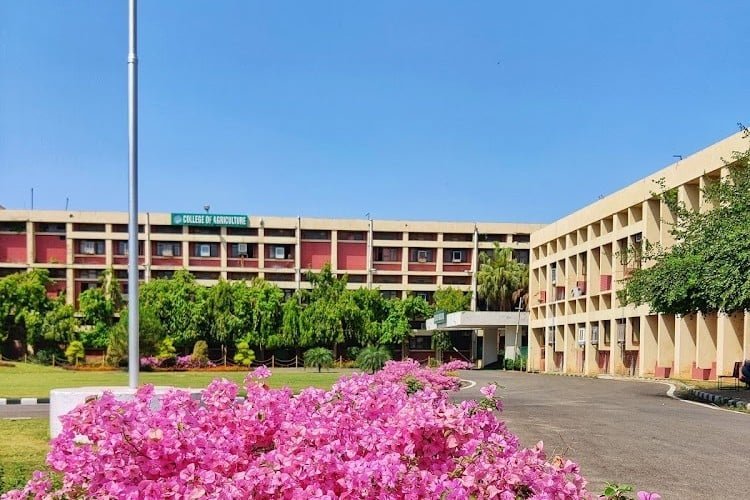
From historic landmarks to busy markets and green campuses, these views capture the many sides of Ludhiana.

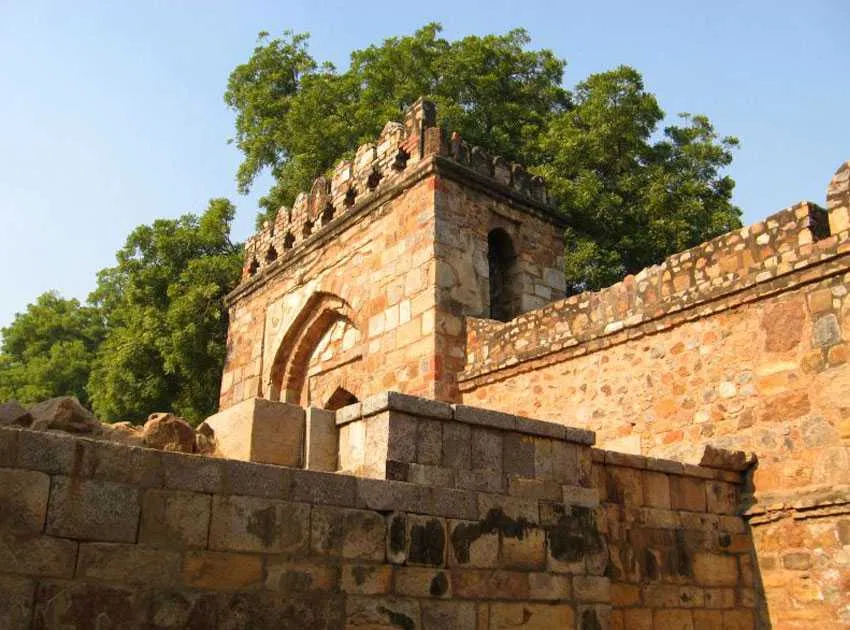

From the settlement of Lodhi-ana to a growing urban centre, Ludhiana's story is one of historical roots, cultural diversity and continuous transformation. Its neighbourhoods, people and evolving infrastructure remain central to the identity of this important Punjab city.